Sensitive Skin & Rosacea-Prone? How to Choose a Facial That Won't Leave You Red
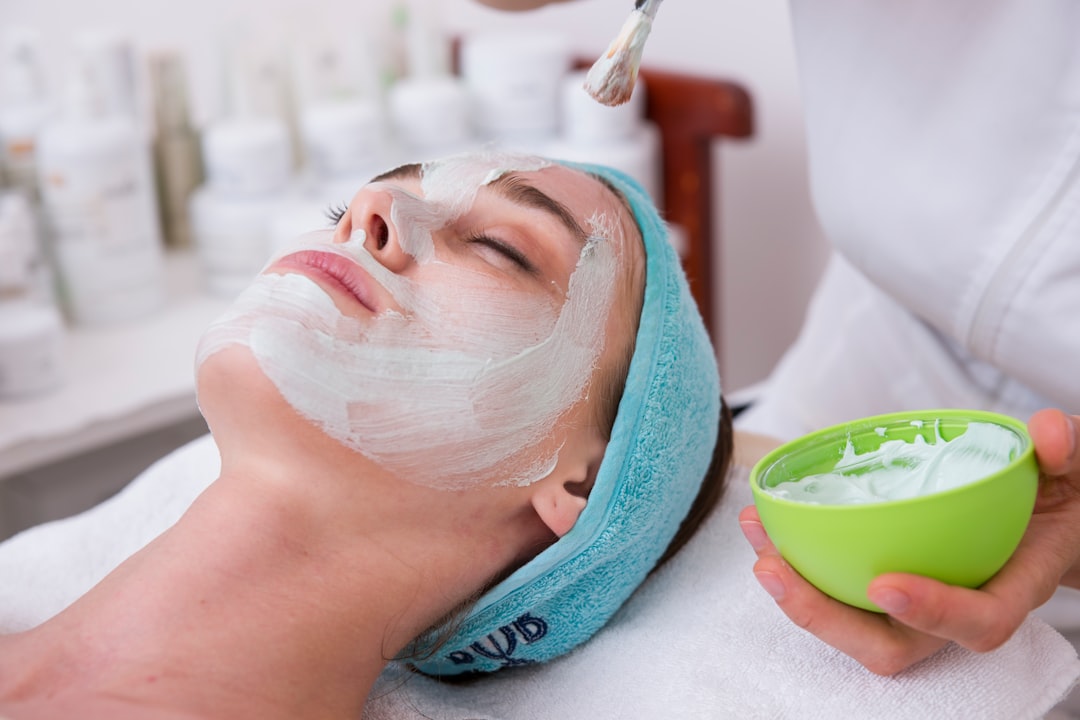
I get it. The idea of getting a facial when you have sensitive skin or rosacea can feel less like a treat and more like a potential nightmare. You want that glowing, refreshed feeling, but the fear of walking out with an angry, red face often holds you back. For those of you searching for a truly beneficial facial for sensitive skin in Queens, I'm here to tell you that it's absolutely possible to indulge without the repercussions.
My goal is to empower you with the knowledge to make informed choices, ensuring your next facial is a comforting, calming experience that leaves your skin radiant, not reactive. Let's dive into how to navigate the world of skincare treatments with your unique skin in mind.
Navigating the Minefield: What Sensitive and Rosacea-Prone Skin Needs (And What to Avoid)
Finding a truly gentle facial near me requires more than just a quick search. It demands understanding what your unique skin needs and, just as importantly, what it absolutely doesn't. My clients often express how confusing it can be to decipher ingredient lists and treatment names, especially with the constant worry of a flare-up.
Sensitive skin, by nature, has a compromised barrier function, making it more susceptible to environmental aggressors and harsh ingredients. Rosacea adds another layer of complexity, often involving chronic inflammation, visible blood vessels, and persistent redness. The key for both is to avoid anything that triggers inflammation or further disrupts the skin barrier.
Here’s a quick list of what to generally avoid in a facial if you have sensitive or rosacea-prone skin:
* **Harsh Physical Exfoliants:** Scrubs with coarse grains can micro-tear delicate skin.
* **Strong Chemical Peels:** High concentrations of AHAs (Glycolic Acid) or BHAs (Salicylic Acid) can be too aggressive.
* **Abrasive Tools:** Microdermabrasion or aggressive extractions can exacerbate redness and irritation.
* **Fragrances and Dyes:** These are common irritants found in many skincare products.
* **Alcohol-Based Products:** Can be incredibly drying and irritating.
* **Steam that’s too Hot or Prolonged:** Excessive heat can trigger vasodilation and rosacea flare-ups.
* **Intense Massage:** Vigorous manipulation can increase blood flow and redness.
Instead, we want to look for treatments that prioritize hydration, soothe inflammation, strengthen the skin's natural barrier, and use ingredients known for their calming properties.
The Best Facial Choices for Rosacea and Sensitive Skin: Your Path to Calm Radiance
Now that we know what to steer clear of, let's talk about the wonderful, calming treatments that *are* suitable. It’s about nurturing your skin, not stripping it. The goal is to reduce inflammation, strengthen your skin barrier, and provide hydration without causing a reaction.
When considering a facial, always communicate your skin concerns clearly with your esthetician. A true professional will tailor the treatment specifically for you.
Here are some excellent options to consider:
* **Calming and Hydrating Facials:** These facials are designed to replenish moisture and reduce redness using soothing ingredients like hyaluronic acid, chamomile, aloe vera, allantoin, and oat extracts. They often incorporate gentle masks and light lymphatic drainage massage.
* **Oxygen Facials:** A gentle way to deliver a cocktail of vitamins, antioxidants, and hyaluronic acid directly to the skin using a fine mist of oxygen. This can be incredibly soothing and plumping without any irritation.
* **Enzyme Peels (Gentle Versions):** Unlike harsh chemical peels, enzyme peels (often derived from fruits like papaya or pineapple) gently slough off dead skin cells without causing trauma. They work by digesting dead proteins on the skin's surface and are much milder.
* **LED Light Therapy (Red Light):** Red LED light is renowned for its anti-inflammatory and skin-healing properties. It can help reduce redness, calm irritation, and stimulate collagen production without heat or discomfort.
* **Customized HydroFacial:** Many people wonder about popular treatments like the HydroFacial. While incredibly effective for many, those with very active rosacea might worry about HydroFacial flushing. The good news is that a skilled esthetician can often customize this treatment with specific sensitive skin serums (like those with hyaluronic acid or peptides), reduce suction levels significantly, and avoid aggressive exfoliation tips to make it gentle enough. Always discuss your concerns beforehand, as modifications are key to preventing HydroFacial flushing.
* **Lymphatic Drainage Massage:** This very gentle massage technique helps to reduce puffiness and calm inflammation by encouraging the natural drainage of lymph, which carries waste products away from the tissues back toward the heart.
Choosing Your Sanctuary: Finding the Right Esthetician and Spa Environment
It’s not just about the facial itself; it’s about the hands performing it and the environment you’re in. Think of your esthetician as your skin's advocate. A true professional understands the nuances of sensitive and rosacea-prone skin, prioritizing its health above all else.
When searching for a spa or esthetician, keep these points in mind:
* **Experience with Sensitive Skin and Rosacea:** Don't be afraid to ask about their experience. A reputable esthetician will be well-versed in these conditions and comfortable discussing their approach.
* **Thorough Consultation:** A good facial for sensitive skin in Queens should always begin with an in-depth consultation. This is where you discuss your skin history, current concerns, medications, and any past reactions. They should ask probing questions and actively listen to your answers.
* **Patch Testing:** For highly reactive skin, a cautious esthetician might suggest a patch test of products on a small area of your skin before applying them to your entire face.
* **Customization is Key:** They should be able to explain how they will customize the facial specifically for your skin, selecting appropriate products and techniques, rather than offering a one-size-fits-all approach.
* **Professional and Clean Environment:** Look for a spa that maintains high standards of hygiene and uses sterilized equipment.
* **Trust Your Gut:** If something feels off, or if an esthetician seems dismissive of your concerns, it’s okay to walk away. Your skin’s health is paramount.
Pre- and Post-Facial Care: Maximizing Results and Minimizing Risk
Your journey to a happy, calm complexion doesn't start and end in the treatment room. What you do before and after your facial plays a significant role in preventing irritation and prolonging the benefits.
**Before Your Facial:**
* **Communicate Clearly:** Reiterate any sensitivities or current flare-ups to your esthetician immediately upon arrival.
* **Avoid Actives:** Stop using any retinoids, strong acids, or other active ingredients a few days to a week before your appointment, unless specifically advised otherwise by your esthetician.
* **Limit Sun Exposure:** Avoid excessive sun exposure leading up to your facial, as sunburned skin is compromised skin.
* **No New Products:** Don't introduce any new skincare products into your routine in the week before your facial, just in case you react.
**After Your Facial:**
* **Be Gentle:** Your skin will be in a sensitive state. Stick to a very simple, gentle cleansing and moisturizing routine.
* **Sun Protection is Crucial:** Always apply a broad-spectrum sunscreen (SPF 30+) daily, even if you're indoors. Your skin will be more vulnerable to UV damage.
* **Avoid Heat and Strenuous Exercise:** For at least 24-48 hours, steer clear of hot showers, saunas, steam rooms, and intense workouts that can increase blood flow and potentially trigger redness.
* **Don't Pick or Prod:** Resist the urge to pick at your skin, even if you notice minor breakouts (which can sometimes happen as skin purges).
* **Follow Esthetician's Advice:** Your esthetician will provide specific aftercare instructions. Adhere to them diligently.
Frequently Asked Questions About Sensitive Skin Facials
I often get asked specific questions from clients worried about their sensitive and rosacea-prone skin. Here are some of the most common ones:
What kind of facial is best for rosacea-prone skin?
The best facials for rosacea-prone skin are those focused on calming, hydrating, and strengthening the skin barrier. Look for treatments involving gentle enzyme peels, soothing masks, red LED light therapy, oxygen facials, and customized HydroFacials with anti-inflammatory serums. The key is customization and avoiding any heat, friction, or harsh ingredients.
Can a HydroFacial make rosacea worse, or cause HydroFacial flushing?
While standard HydroFacials can sometimes be too intense for active rosacea, a customized HydroFacial can be beneficial. A skilled esthetician will use specific tips for sensitive skin, choose hydrating and anti-inflammatory serums, and reduce the suction levels significantly to prevent irritation or HydroFacial flushing. Always discuss your rosacea severity and triggers during your consultation.
What ingredients should I tell my esthetician to avoid for sensitive skin?
Make sure your esthetician knows to avoid strong fragrances, essential oils, alcohol, aggressive physical exfoliants (like scrubs with large beads), high concentrations of active acids (glycolic acid, salicylic acid), and strong astringents. Opt for products with calming ingredients like hyaluronic acid, ceramides, niacinamide, allantoin, and bisabolol.
How often should I get a gentle facial for sensitive skin?
For sensitive and rosacea-prone skin, a gentle facial every 4-6 weeks is often ideal. This frequency allows your skin to fully recover and benefit from the treatments without overstimulation. Your esthetician can help you determine the best schedule based on your individual skin needs and concerns.
What should I do if my skin reacts negatively after a facial?
If your skin shows signs of a negative reaction (excessive redness, burning, itching, rash), immediately contact your esthetician to inform them. In the meantime, stick to a very basic, gentle skincare routine: cleanse with a mild, fragrance-free cleanser, apply a simple, soothing moisturizer, and ensure diligent sun protection. If symptoms persist or worsen, consult a dermatologist.
Embrace the Calm
Finding the perfect facial for sensitive skin in Queens doesn't have to be a gamble. With the right knowledge and a skilled professional, you can absolutely enjoy the benefits of a rejuvenating treatment without the fear of redness or irritation. Prioritize communication, choose wisely, and embrace the calm, radiant skin you deserve.
Ready to experience a facial that truly understands your skin? Start your search for a reputable spa today and book a consultation. Your skin will thank you!
